

Advancing the Frontiers of Chemical Technology,Chemical Technology: Advancing Frontiers
Chemical technology continues to evolve rapidly, driven by advancements in nanotechnology, biotechnology, synthetic chemistry, and sustainable materials. These developments are not only pushing the boundaries of scientific knowledge but also enabling transformative applications across industries, including medicine, energy, and environmental science. As a result, research is focusing on creating innovative solutions to global challenges, from developing new drugs to harnessing renewable energy sources. This interdisciplinary field is experiencing explosive growth, with breakthroughs in catalysis, sustainability, and materials science paving the way for a future where chemical technology plays a pivotal role in shaping the 21st century.
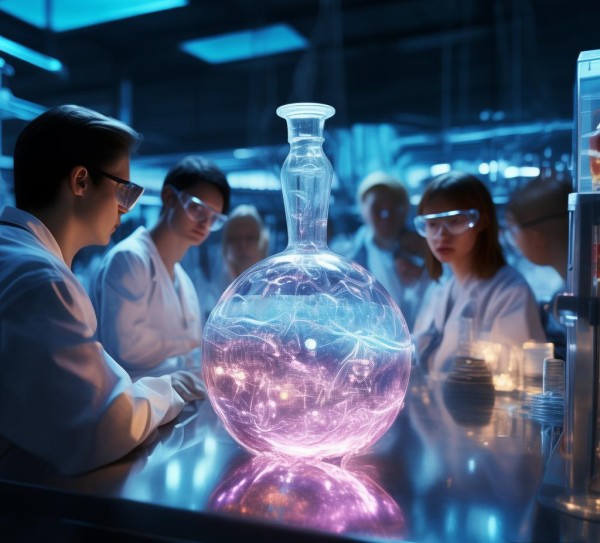
The chemical industry has long been a cornerstone of modern society, playing a pivotal role in driving technological and economic advancements. With the rapid industrialization of the 21st century, the chemical sector has evolved into a dynamic field characterized by rapid technological innovation and transformative industrial applications. This article explores the latest trends and technologies shaping the future of chemical science, focusing on how these developments are reshaping industries, addressing global challenges, and setting the stage for future innovations. One of the most significant trends in the chemical industry today is the integration of advanced technologies such as artificial intelligence (AI) and machine learning (ML). These technologies are being applied across the board, from optimizing chemical processes to predicting material properties. For instance, AI-driven predictive models are being used to design more efficient catalysts for industrial applications, reducing energy consumption and improving product yield. Moreover, the use of virtual experimentation and simulation tools has bridged the gap between theoretical research and practical applications, enabling teams to explore innovative solutions faster. Another crucial aspect of the chemical industry is the emphasis on sustainability and environmental responsibility. As the world faces increasing challenges related to resource depletion, energy efficiency, and waste management, the chemical sector is increasingly focusing on developing eco-friendly technologies. Bio-based materials and waste-to-energy technologies are gaining traction, offering sustainable alternatives to traditional chemical products. Additionally, the adoption of green chemistry practices, such as the use of renewable catalysts and energy-efficient processes, is leading to significant reductions in environmental impact. The concept of "green chemistry" is deeply rooted in the belief that sustainability is a collective effort that requires collaboration among industries, governments, and individuals. This philosophy has led to the development of standardized protocols and guidelines for reducing emissions, conserving natural resources, and promoting circular economy principles. For example, the European Green Chemistry Initiative has established a framework for sustainable chemical processes, encouraging industries to adopt more environmentally friendly practices. In the realm of sustainable manufacturing, the adoption of advanced materials and processes is becoming more widespread. Composite materials, for instance, are being utilized in industries ranging from automotive to aerospace, offering superior strength and durability while reducing the need for expensive and complex metals. Similarly, the integration of advanced manufacturing techniques such as additive manufacturing (3D printing) is revolutionizing production processes, allowing for the creation of complex geometries that were previously unattainable. The chemical industry is also making strides in addressing global challenges such as climate change, healthcare, and energy security. For instance, the development of bioenergy solutions, including biochar and waste-to-energy technologies, is enabling the production of cleaner and more sustainable alternatives to traditional energy sources. Furthermore, the use of advanced chemical processes in the pharmaceutical industry is improving drug discovery and development, leading to a safer and more effective global pharmaceutical market. As the chemical sector continues to evolve, it is clear that technology will play a central role in shaping its future. From the use of AI and ML in process optimization to the development of sustainable materials, the field is embracing a collaborative and innovative mindset. By prioritizing research and development, industry leaders are creating new opportunities that will shape the chemical landscape for years to come. In conclusion, the chemical industry is at the forefront of technological innovation, driven by the need to address global challenges and meet the demands of a sustainable future. As we look to the next decade, the chemical sector will be increasingly focused on integrating advanced technologies, promoting sustainability, and fostering collaboration to drive meaningful change. The legacy of this industry will continue to influence the course of human history for centuries to come.